
Over the past months, a new generation of Medical Technologists from Tech4Medics has completed their degree requirements, marking an important milestone in their professional journey. Their work reflects a strong integration of advanced imaging technologies with pressing challenges in public health, combining technical expertise with a commitment to improving healthcare in Chile.
As part of their training, graduates completed their thesis projects and successfully passed a comprehensive professional examination, which consists of solving three clinical cases in real time across different areas of their specialization. This process ensures not only academic rigor but also the ability to respond to complex clinical scenarios.
Among those who completed this stage, Daniela Acevedo and Cristóbal Gutiérrez developed research focused on the validation of deep learning tools applied to breast imaging. Their work explored the estimation of mammary glandular density using breast tomosynthesis, digital mammography, and magnetic resonance imaging, contributing to ongoing efforts to improve diagnostic accuracy through data-driven approaches.
In parallel, Anaís Acosta and Esperanza Tobar worked on a shared line of research addressing barriers to breast cancer screening among women with disabilities in Chile. Through qualitative methodologies, their work examined structural and social challenges that limit access to early detection, proposing strategies to make screening programs more inclusive and effective. Their work highlights the continuity and relevance of this research topic, emphasizing the need for more inclusive breast cancer screening strategies.
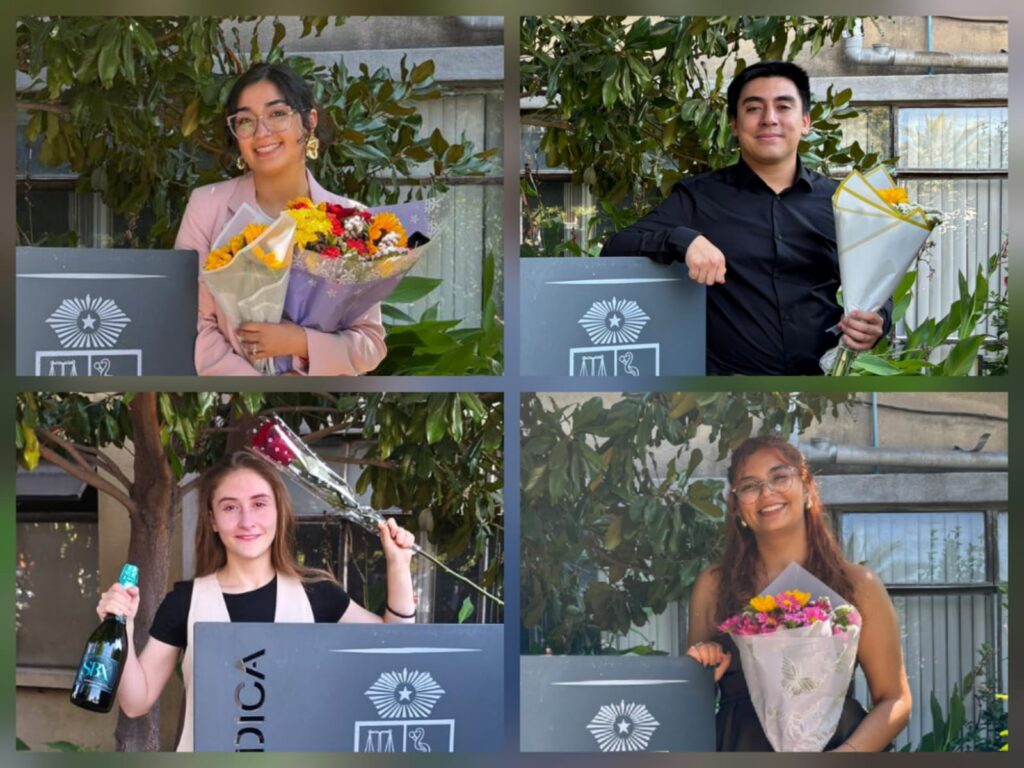
In addition, Vicente Cajas and Sebastián Millar completed their degree requirements with a thesis focused on the development of deep learning methodologies for breast imaging. Their work, titled “Development of a Deep Learning Algorithm for Estimating Mammary Density in T1-weighted Breast Magnetic Resonance Imaging,” explored the use of advanced computational tools to support the estimation of mammary density, contributing to ongoing efforts to improve quantitative assessment and diagnostic accuracy in breast MRI.
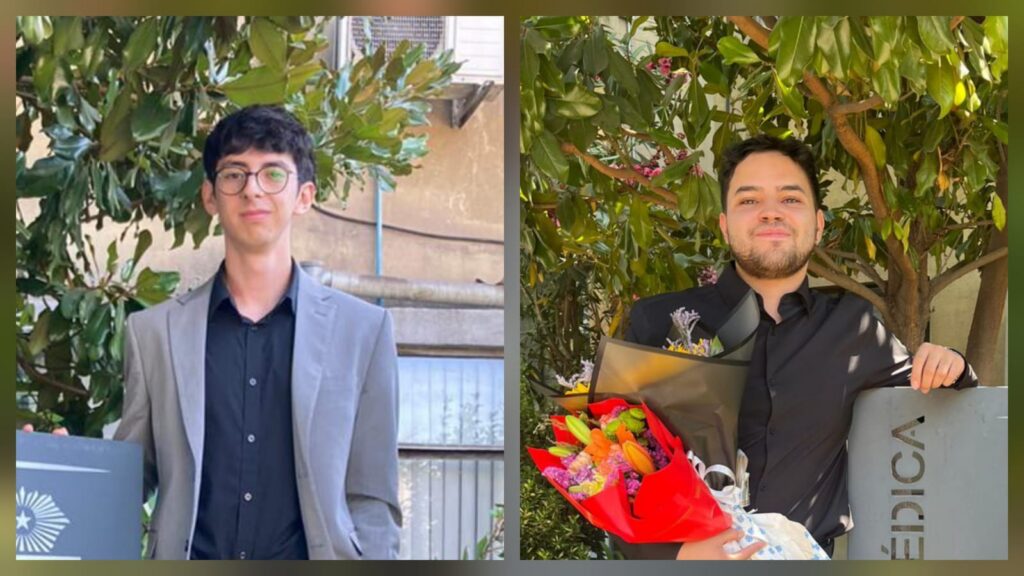
Together, these new professionals reflect a broader vision of medical technology, one that not only advances diagnostic capabilities but also addresses real-world disparities in access to care. At Tech4Medics, this intersection between engineering, medicine, and social awareness continues to shape professionals prepared to make a meaningful impact.