
On October 7, the Faculty of Medicine at the University of Chile hosted the 2026 Science and Technology Festival (FECI), bringing together research groups, scientific initiatives, and educational projects designed to connect science and technology with the wider community. Through interactive activities and hands-on experiences, visitors of different ages had the opportunity to explore how research can help us understand health, technology, food systems, and the fundamental processes of life.
Can You Beat AI? Train Your Brain
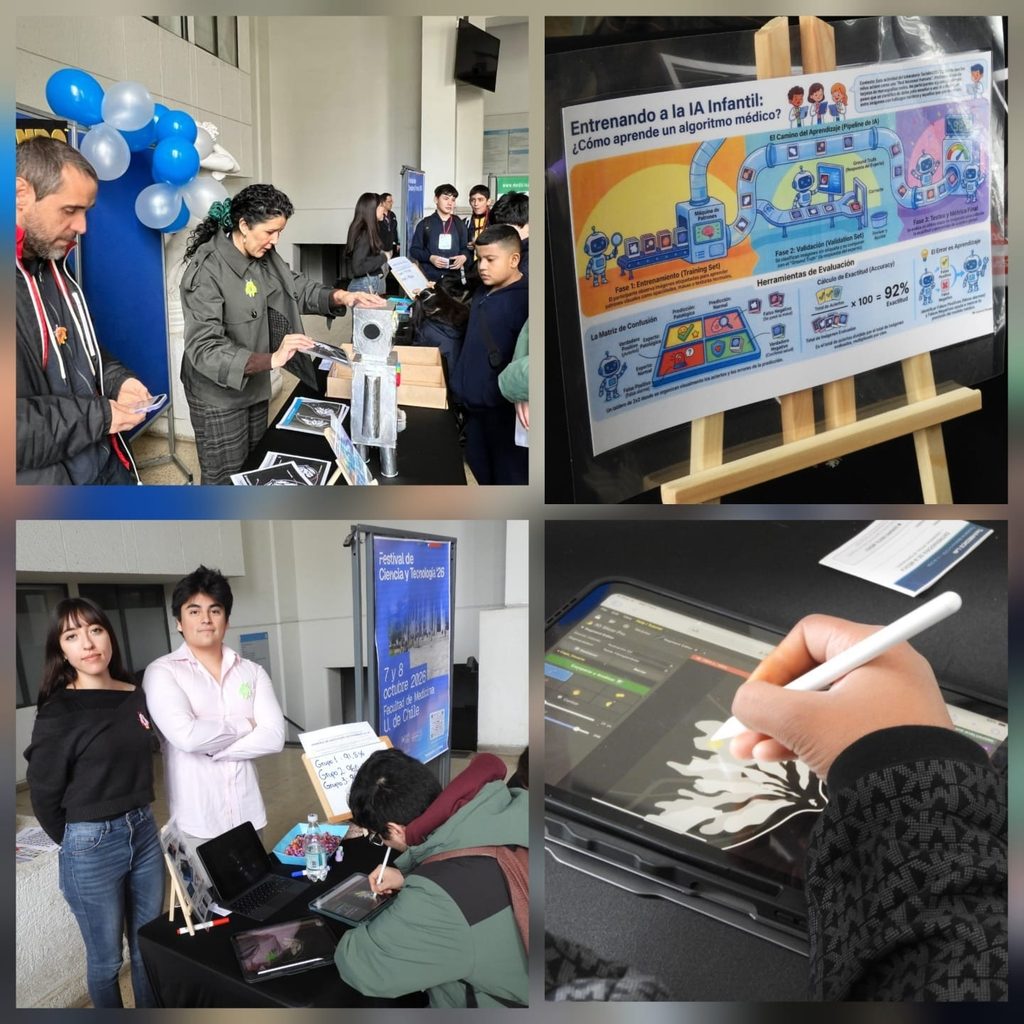
Among the participating initiatives was Tech4Medics, with the interactive experience “Can You Beat AI? Train Your Brain.” The activity introduced visitors to the way artificial intelligence processes and analyzes medical images through two complementary challenges. In the first, participants used printed images to identify structures and record their performance, effectively becoming a “human neural network” while learning how image recognition works through play. In the second, participants used tablets to manually segment fibroglandular tissue and compare their annotations with those generated by an AI model trained using nnU-Net.
The challenge was to achieve more than 85% agreement with the reference ground truth. Together, these activities provided an accessible way to demonstrate that medical AI is not only about algorithms, but also about high-quality data, expert annotations, and the continuous interaction between humans and computational models.
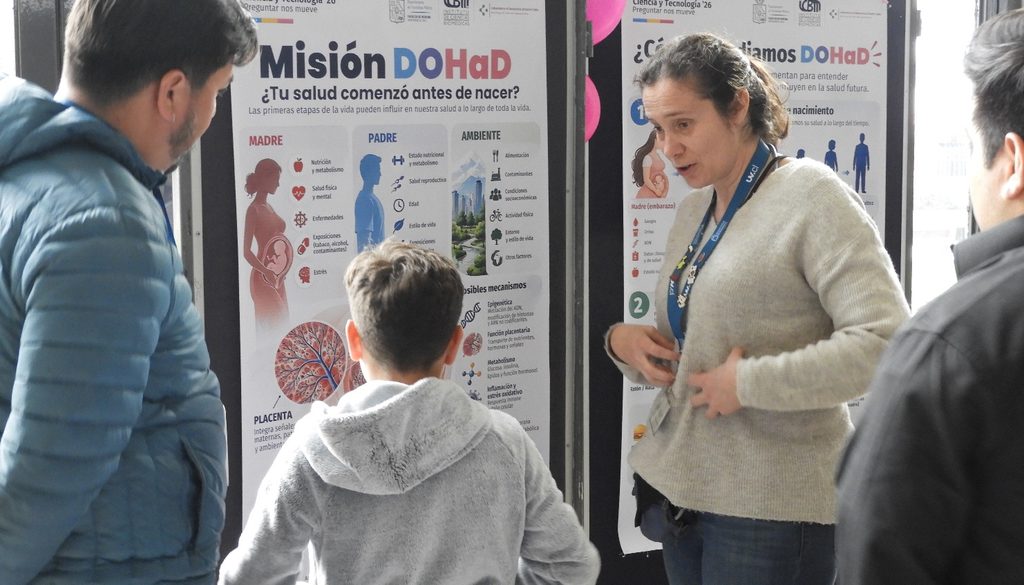
DOHaD Mission: Did Your Health Begin Before Birth?
This initiative explored the factors that can influence health throughout life, beginning before birth. The activity introduced the principles of the Developmental Origins of Health and Disease (DOHaD), highlighting how maternal and paternal factors, together with environmental conditions, can influence human development and future health. By presenting these concepts through an accessible and interactive format, the initiative encouraged visitors to understand the importance of the earliest stages of life.
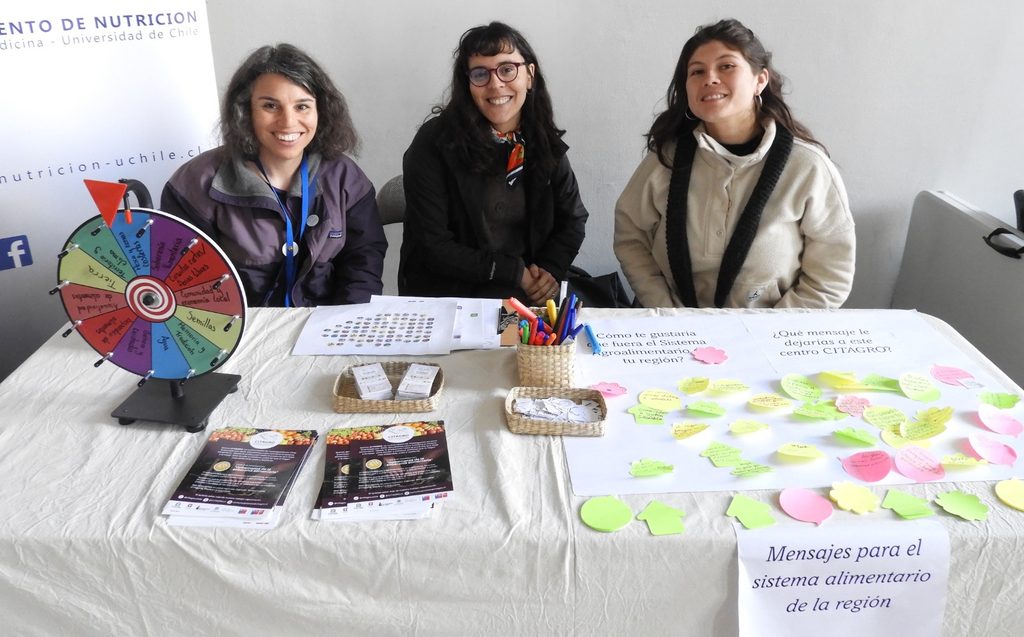
Citagro
CITAGRO is a research center funded by Chile’s National Agency for Research and Development (ANID), with the University of Chile among its partner institutions. One of its research lines, food sovereignty governance, is led by Dr. Rebecca Kanter, a faculty member in the Department of Nutrition at the University of Chile’s Faculty of Medicine. This research engages farmers, fishers, market vendors, civil society organizations, and local communities to understand how food is produced, distributed, and consumed across different territories, contributing to more sustainable, equitable, and resilient food systems.
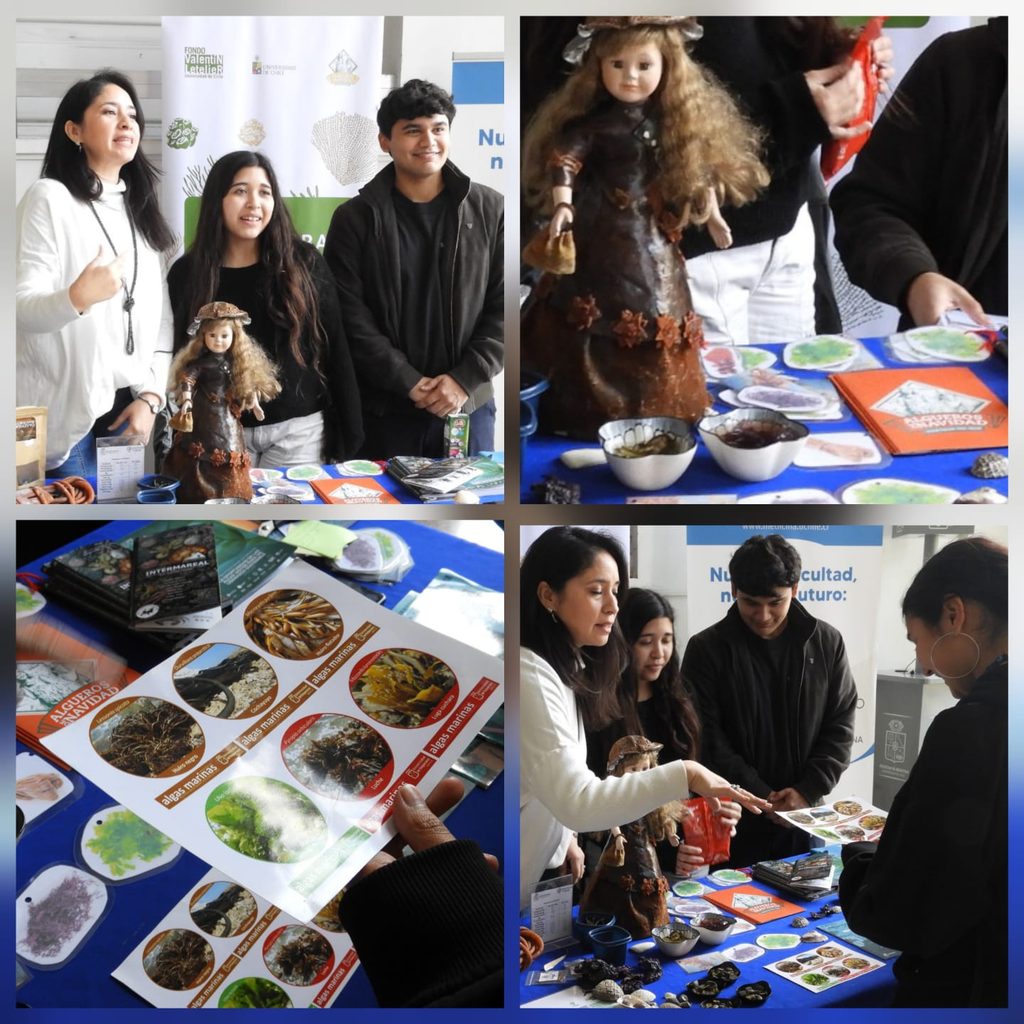
Hierbas del Mar
Hierbas de Mar presented Alga Viva: “A Seaweed Field Journal,” a new educational environmental kit focused on seaweed and its ecological, cultural, and nutritional value. The project combines scientific knowledge with the experience and traditions of coastal communities, while also promoting innovation and new opportunities for women involved in seaweed-related activities. By connecting health, food, gastronomy, environmental sustainability, and local knowledge, Hierbas de Mar seeks to recover and strengthen the cultural heritage associated with Chile’s coastal resources.
Self-Organization and Tissue Mechanics
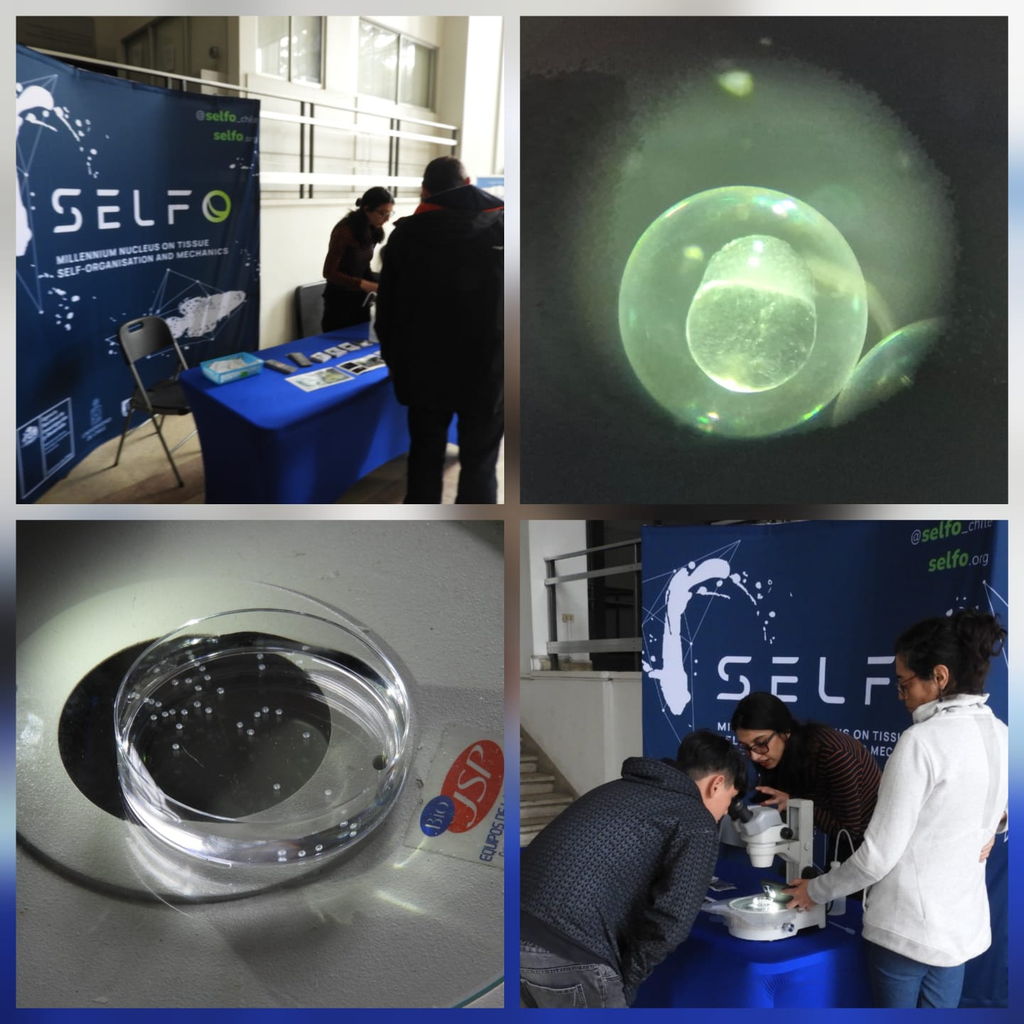
The SELFO Millennium Nucleus for Cell Self-Organization and Tissue Mechanics invited visitors to explore living systems through “Discover Life Under the Microscope.” Using magnifying equipment, participants could observe living larvae and embryos of Argolebias nigripinnis, a South American annual fish used as a model organism to investigate embryonic development and cellular self-organization. The activity combined direct observation with educational materials and interactive games, allowing visitors to explore how cells organize themselves and coordinate during development.
A Microscopic Spring: BacterioBloom
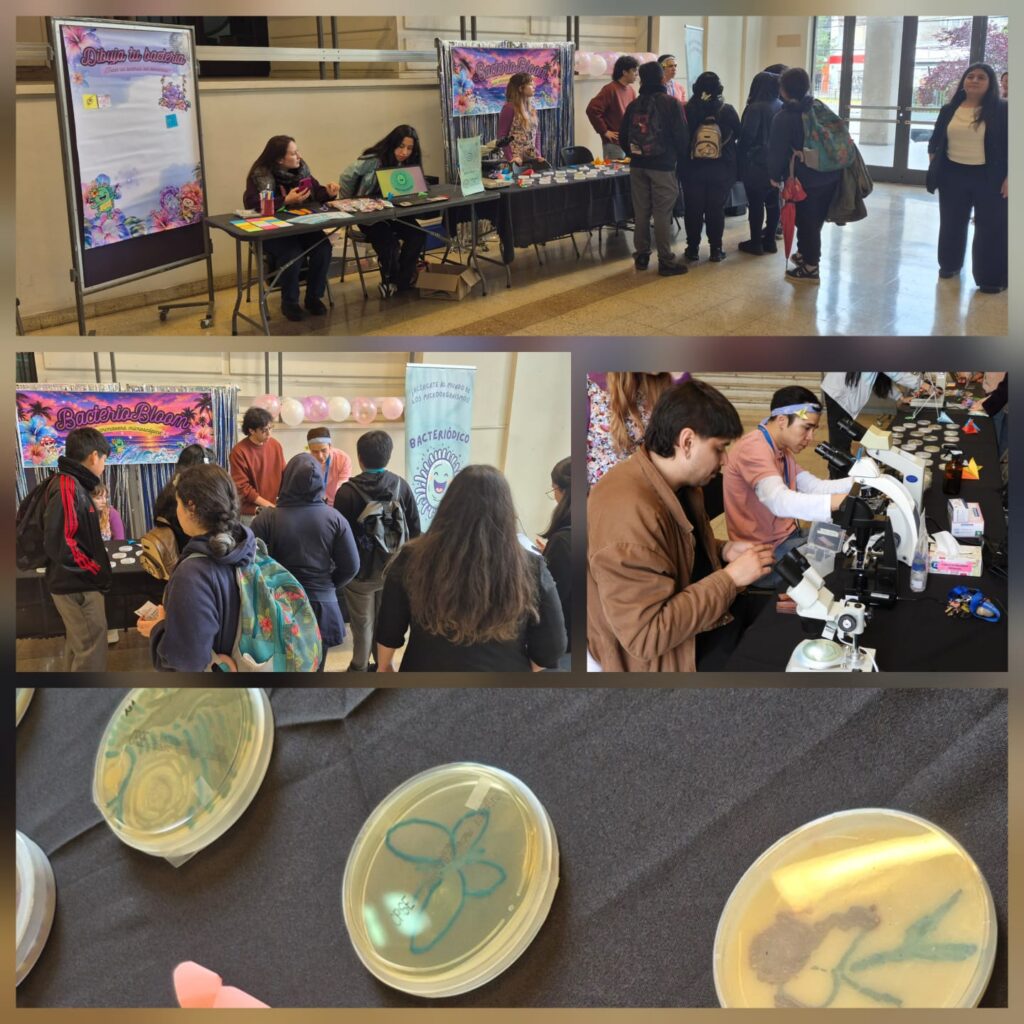
The “A Microscopic Spring: BacterioBloom” activity invited visitors to discover a microscopic world filled with shapes, pigments, and colors. The initiative aimed to show that bacteria can also be a source of artistic and scientific inspiration.
Participants had the opportunity to observe bacteria and fungi under the microscope, learn how bacteria of different colors grow, and discover the unique art of chromoagar. The activity also included opportunities to create their own artwork inspired by the shapes and colors they observed.
The experience was complemented by interactive activities, trivia, and prizes for those willing to test their knowledge, bringing together microbiology, art, and science communication in an engaging experience designed to bring the microscopic world closer to the community.
Final Reflections
Together, these initiatives demonstrated the diversity of scientific research being conducted in Chile and the importance of creating opportunities for meaningful interaction between researchers and the public. From medical image analysis and artificial intelligence to human development, food sovereignty, coastal knowledge, and cellular organization, the festival highlighted how science and technology can be communicated through experiences that encourage curiosity, participation, and discovery.